Data Center Racks, CDU Frames, Enclosures and Supports | Build to Print Metal Fabrication, Dallas Fort Worth and Florida
Data Center Metalworks fabricates build to print sheet metal, weldments and assemblies for data center cooling and power equipment. The scope includes CDU frames, custom racks, enclosures, supports and panels. Our plants in Irving, Texas and Pompano Beach, Florida support this work. Send your drawing package to establish the exact scope.
01 / WHAT WE MAKE
The metal behind
the infrastructure.
Parts to your drawing. A clear scope for cooling OEMs, power OEMs and prefab contractors.
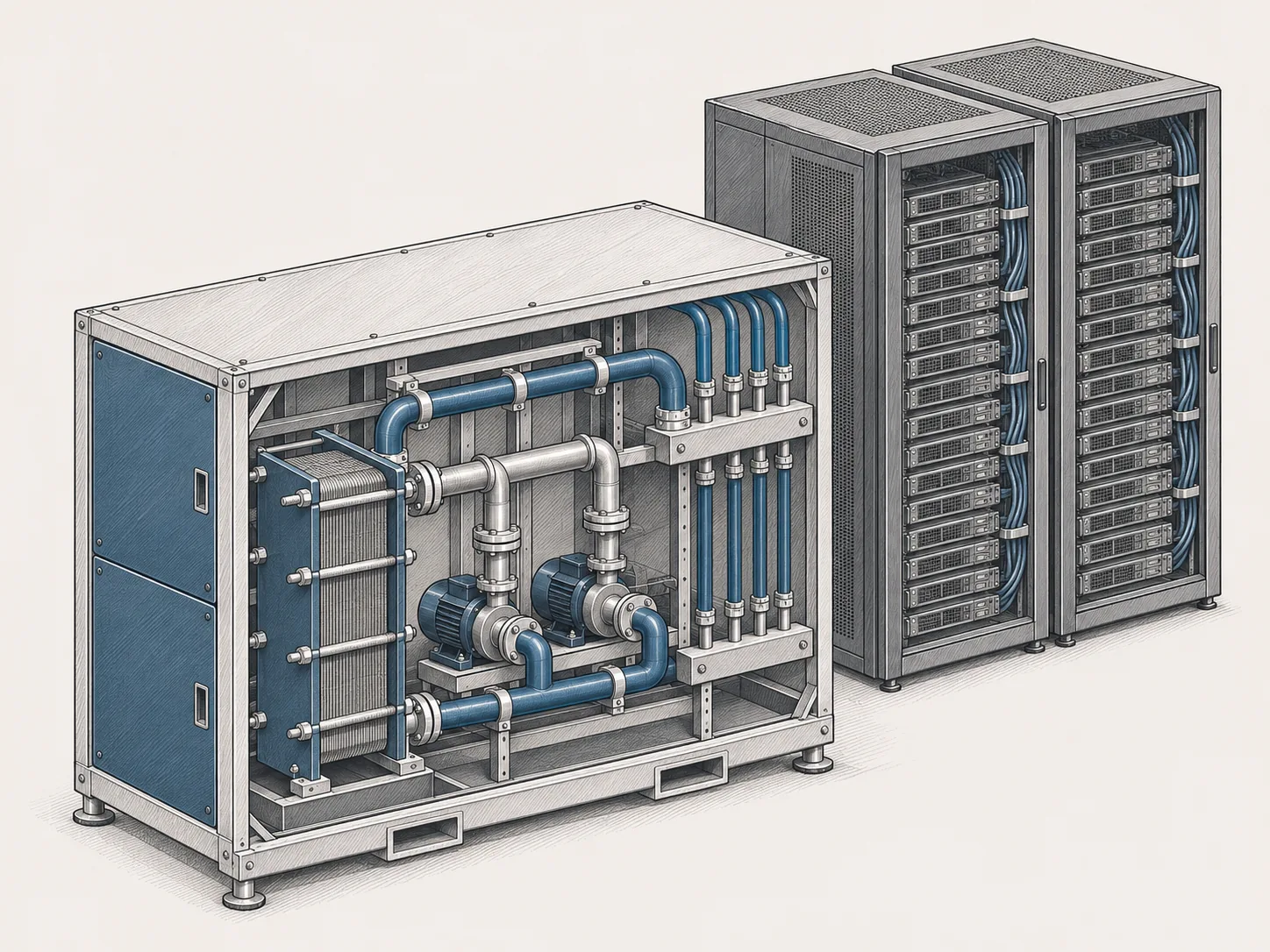
CDU frames & skids
Frames, pump mounts, manifold brackets and drip pans.
02 / FABRICATION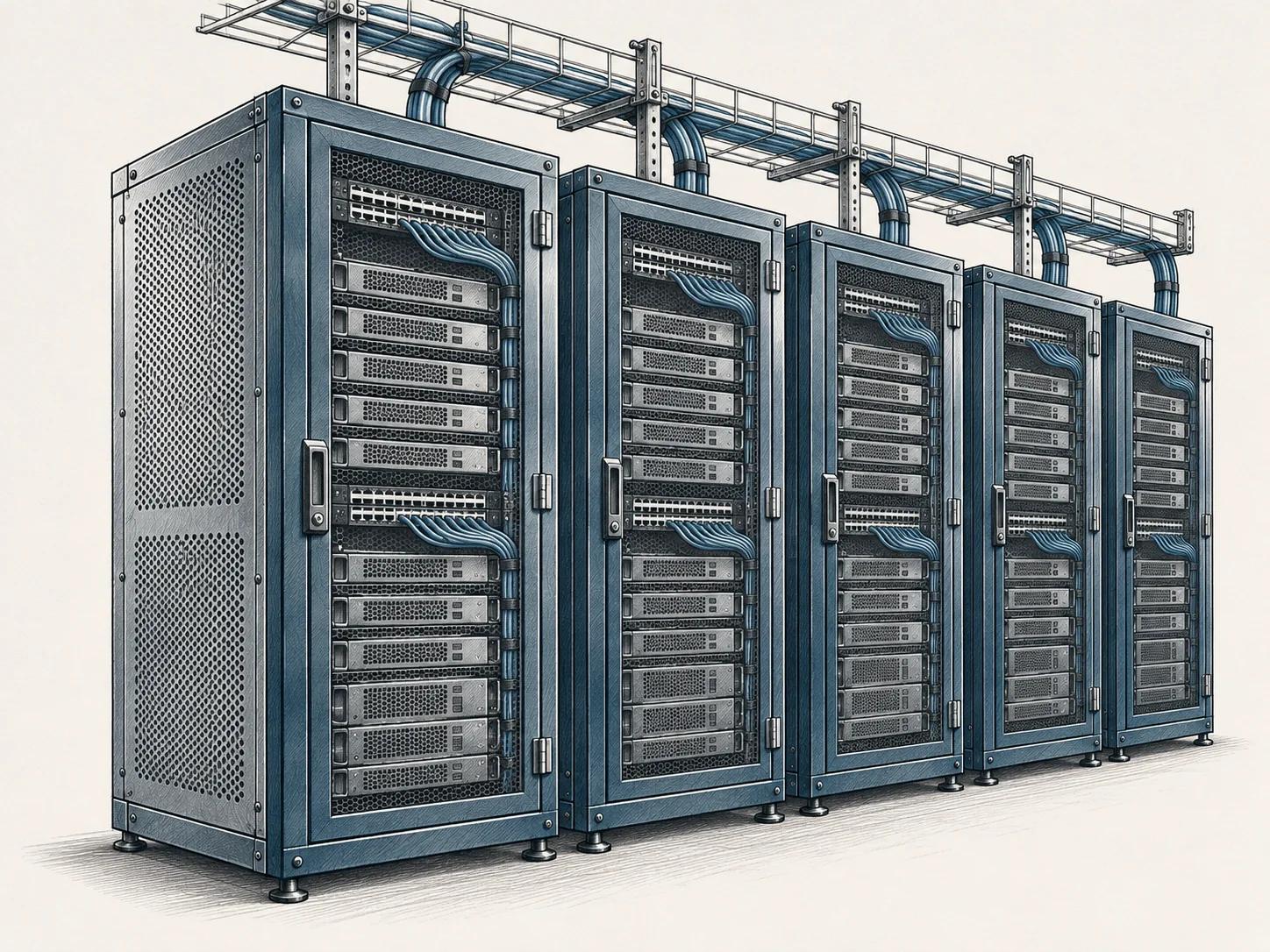
Racks & enclosures
Custom racks, shelves and sheet metal to your print.
03 / FABRICATION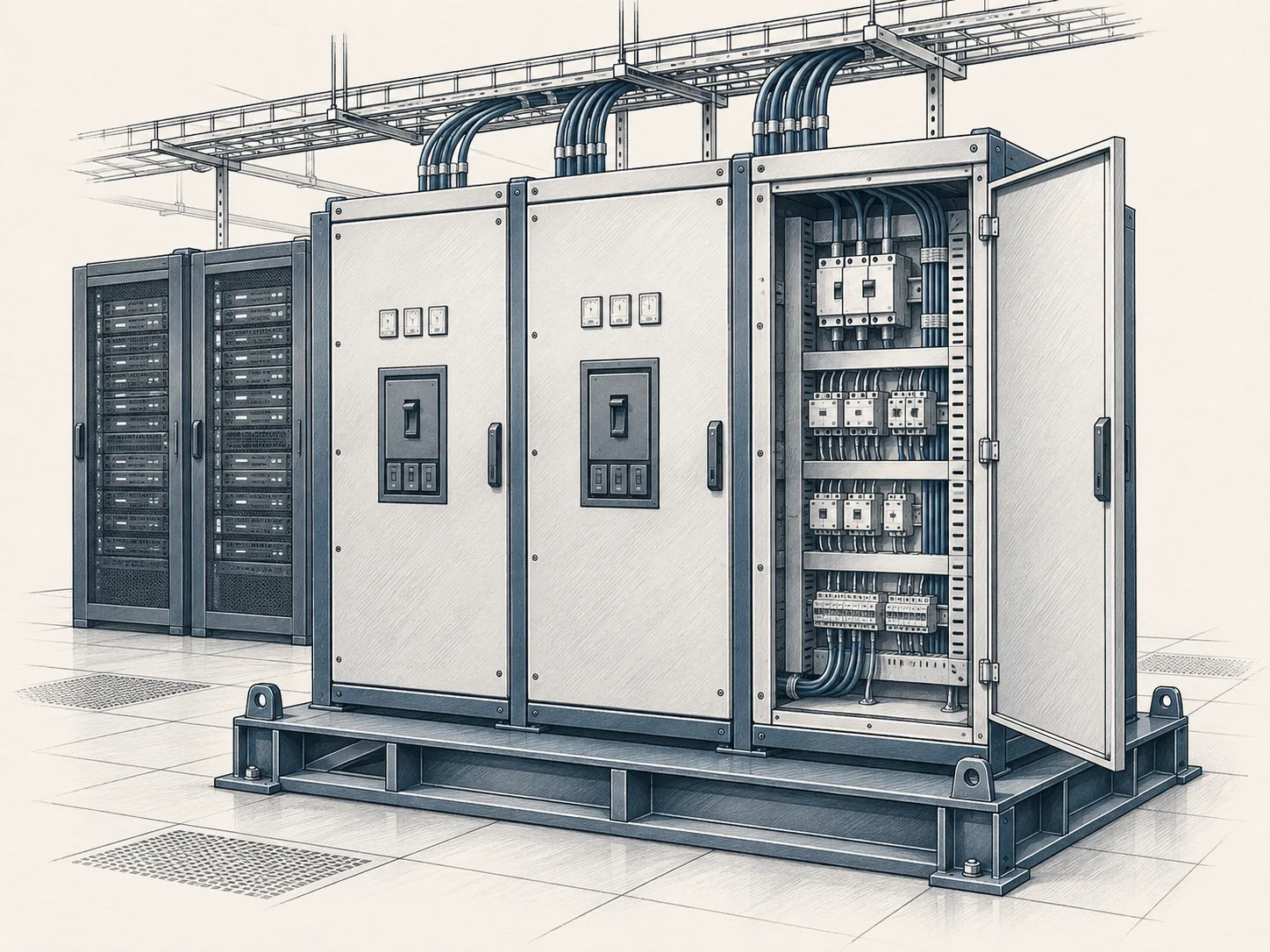
Power enclosures
Switchgear and generator enclosure fabrication.
04 / FABRICATION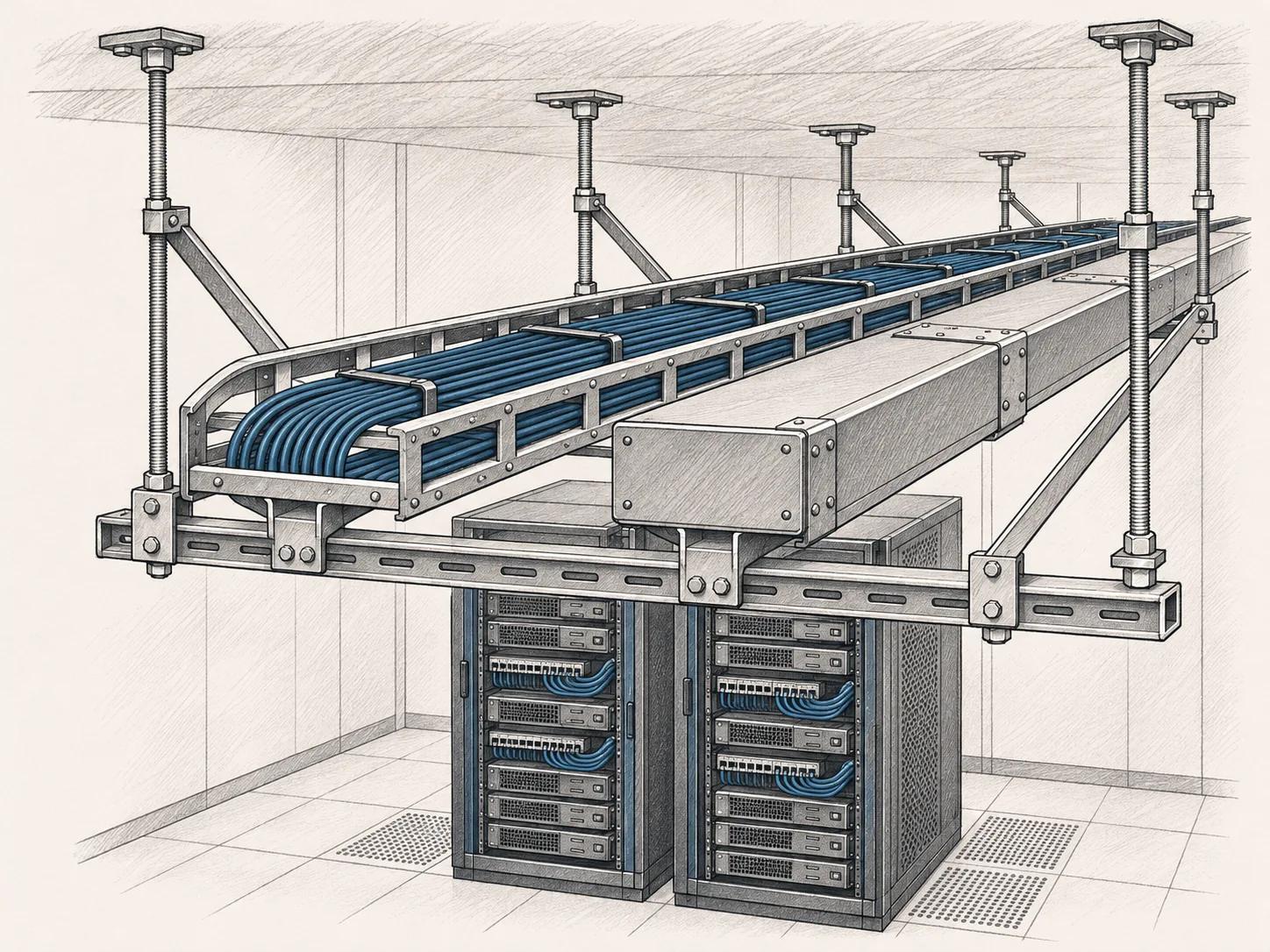
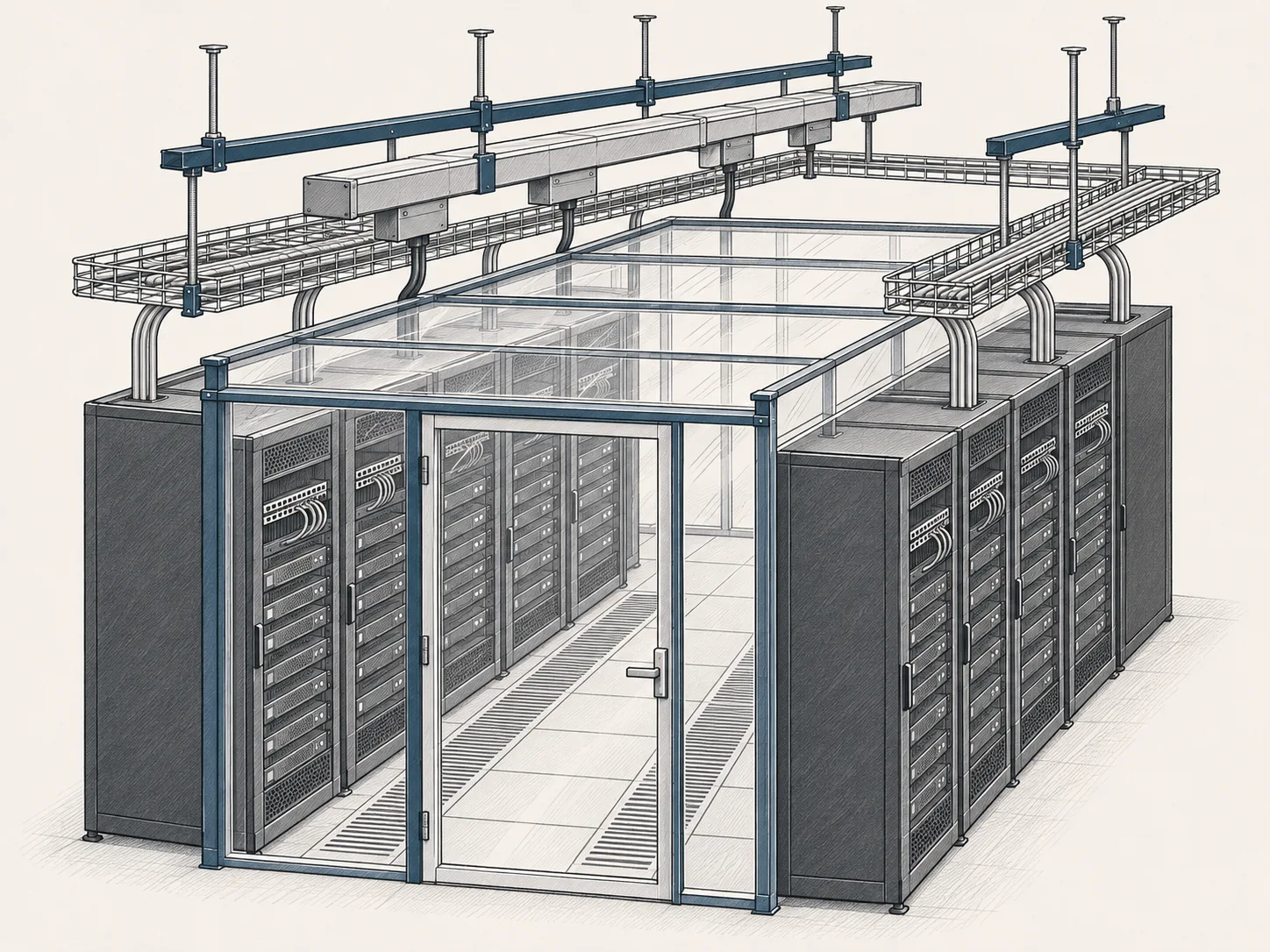
Tray & busway supports
Trapeze hangers, support kits and bracing frames.
05 / FABRICATIONContainment panels
Panels and supports for hot aisle containment.
06 / FABRICATIONPower skid frames
The fabricated structure behind a power module.
07 / FABRICATION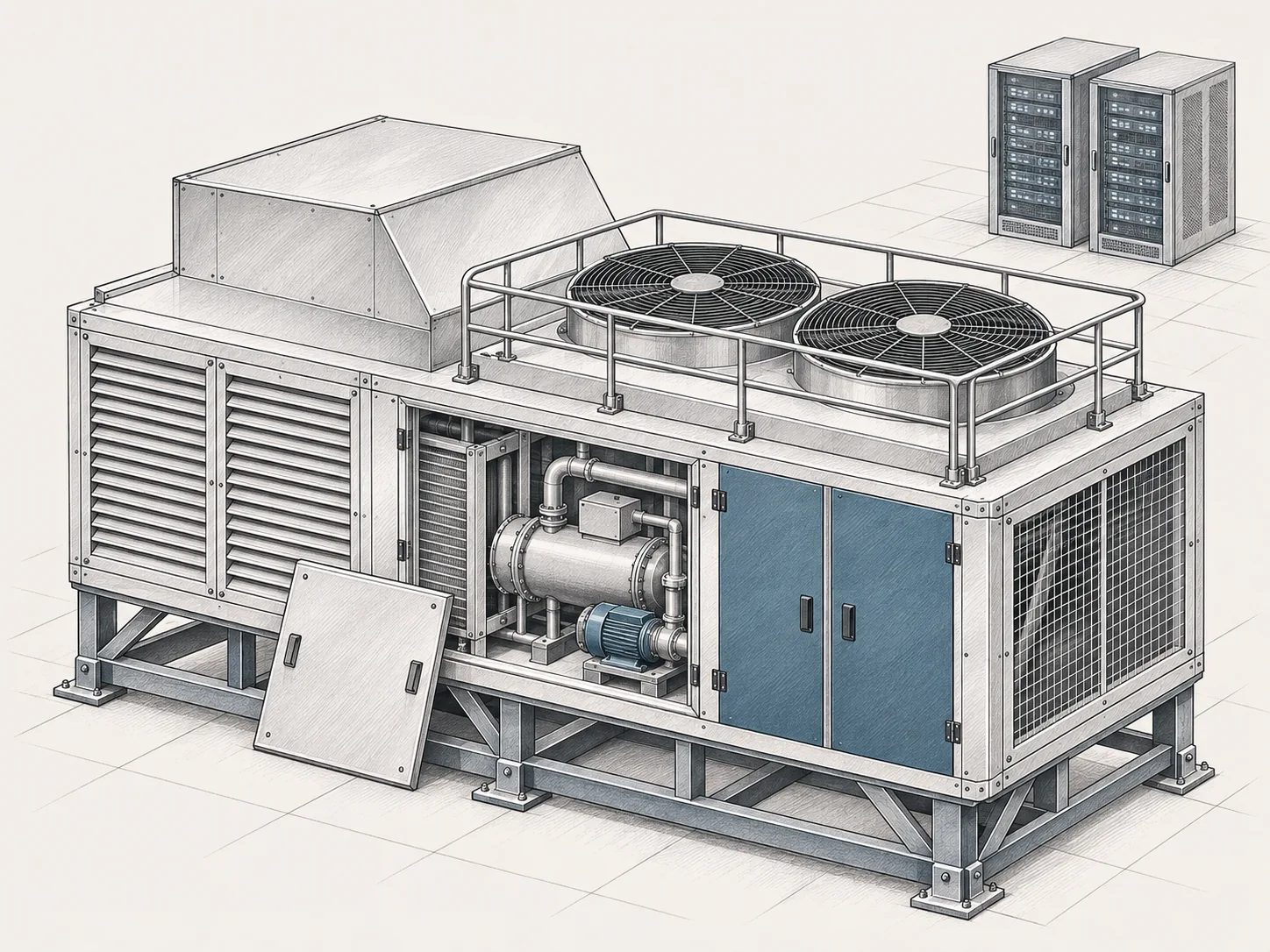
Cooling plant panels
Casings, plenums, guards and welded assemblies.
08 / FABRICATION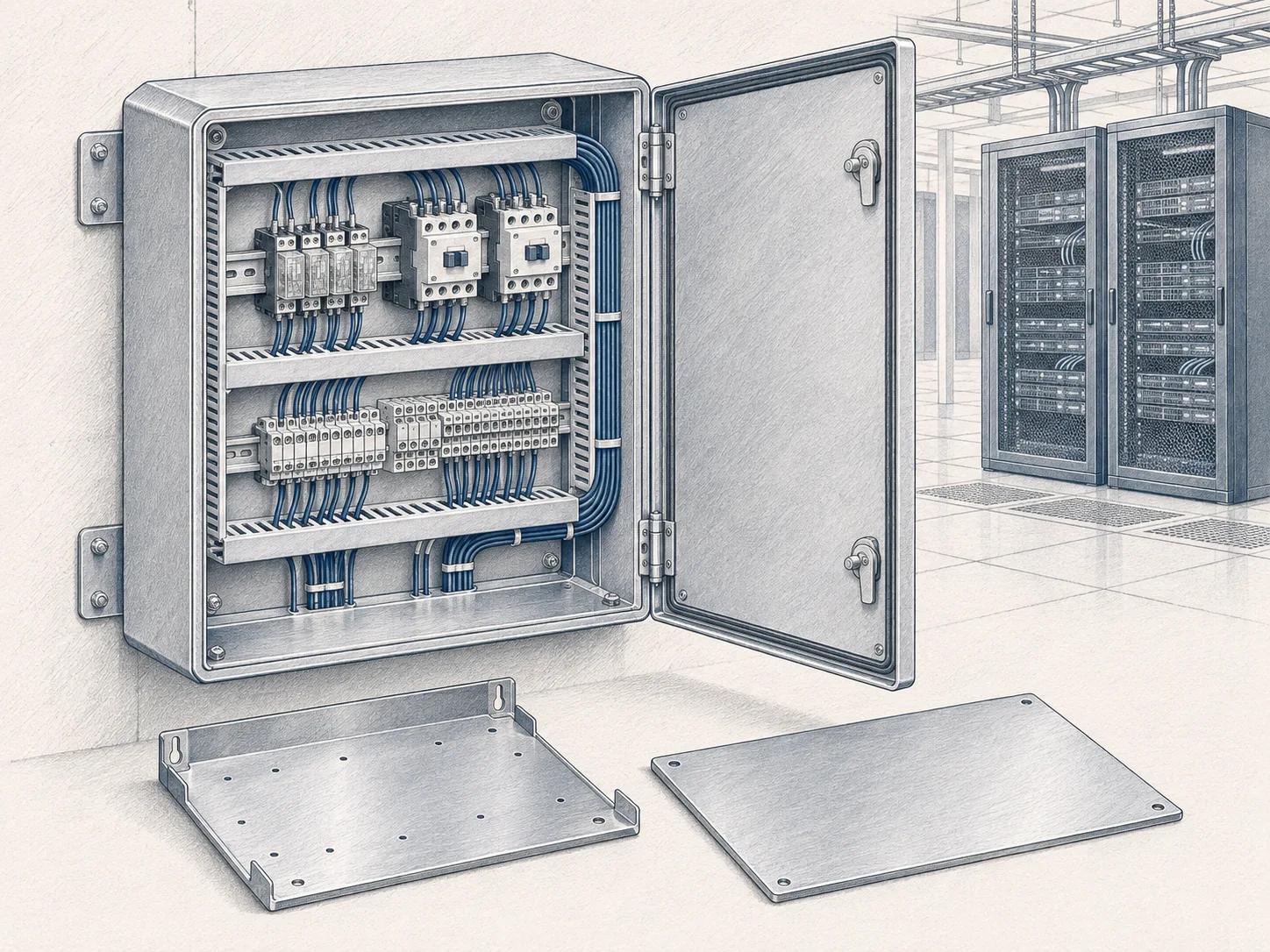
Assembly & integration
Build to print harness, box and mechanical assembly.
Define the fabricated share.
A cooling unit or power module contains many types of work. The equipment maker owns the system design. A metal fabricator can supply the frame, panels, mounts and other drawing defined parts that make that design practical to build. Start by marking those parts clearly in the bill of materials.
Separate metalwork from pumps, valves, controls and other purchased equipment. Also separate shop assembly from installation at the site. This gives each scope a clear owner. It helps the buyer request the right evidence and makes it easier to compare quotes for the same work.
CDU frames and skids.
A coolant distribution unit, or CDU, manages heat transfer between cooling loops. Its metalwork may include the main frame, base skid, panels, pump mounts, manifold brackets and drip pans. The fabricated share must fit the equipment layout and allow service access. The cooling OEM defines those interfaces.
Send the general arrangement, individual part drawings and equipment mounting details together. Mark which dimensions control the pump, heat exchanger and piping positions. State how the frame will be moved and anchored. The CDU page focuses on these parts and the questions to settle before fabrication.
Custom racks and enclosures.
Rack work depends on more than an outside size. Rail spacing, hole locations, panel gaps, doors and cable paths must work as an assembly. The drawing should name EIA-310 requirements where they apply. It should also identify grounding areas and surfaces that must stay free of paint.
Switchgear and generator enclosure work starts with the required environment and the equipment layout. If the project calls for NEMA 3R or 4X, include the applicable requirements and the method of acceptance. A metal housing is not automatically a rated enclosure. Confirm who owns testing, listing and final system approval.
Supports and containment panels.
Cable tray supports and busway supports may include trapeze hangers, bracing frames, plates and strut-style brackets. The engineer or system supplier defines loads, spacing, anchors and approved attachment points. Submit that information with the part drawings. A support should be reviewed as part of the full installed load path.
Hot aisle containment panels need a different set of interfaces. Panel edges, openings, doors and attachment points must match the room and rack layout. Include the requirements for airflow, access, materials and fire protection coordination. Our offer is the drawing defined metalwork within that system, with the complete system requirements made clear in the RFQ.
Cooling plant panels and power skid frames.
Cooling plant panels, casings, plenums and guards serve equipment built in modules. Part size is only part of the review. Include the joint details, access panels, stiffeners, finish and the handling plan. Identify which panels must come off during maintenance and which interfaces need to stay clear.
A power skid brings equipment onto a common base. The fabricated share can include the frame, mounting plates, brackets and enclosure panels. Structural design, lifting provisions and weld requirements must come from the approved package. Ask us about AWS D1.1 welder certification. Do not treat a welding process on our machine list as proof of a particular structural qualification.
Assembly that follows the same revision.
Electromechanical assembly can join fabricated metal, hardware, purchased components and wiring. The bill of materials and drawings need to agree. Include wire lists, labels, terminal details and inspection steps where the scope includes them. Identify any customer supplied items and the date they can reach the plant.
Build to print work follows your defined design. If a part changes after quoting, the revision should be visible in the order and release package. A sample, drawing and CAD model can each tell a different story. State which document controls when details differ, and name the person who can approve an open technical point.
Manufacturing support in Texas and Florida.
The Florida equipment includes a Mazak laser, CNC press brakes, a robotic welder, Mazak and Mori Seiki mill-turn, mild steel tank welding, stainless TIG and electromechanical assembly. Irving has an Amada 3.5 kW CO2 laser, an Accupress brake, MIG welding and airless spray paint. Ask for a route matched to the part.
The route should connect the equipment to the geometry and acceptance criteria in the drawing. A laser, brake or welder describes a process, not the outcome for every part. Include the final assembly dimensions, material requirements and inspection stages so the production team can review the complete scope and identify any open decisions.
Make the RFQ useful to both teams.
Include a drawing number, revision, material, quantity and receiving location. Add the finish specification, masking areas, inspection needs and packaging requirements. If releases will repeat, show both the full program quantity and the quantity per shipment. Keep target dates separate from dates already approved in a quote.
The lead time and capacity pages show unconfirmed values as "TBD, confirm with Rich". Powder coat, certified welding and open machine hours require confirmation. Kevin Leonard handles accounts and business development. Rich Fitzgerald handles production and sourcing. The RFQ is the place to bring those questions together.
BUYER QUESTIONS
Details worth asking about.
Start with the specification. Confirm the details in your written quote.
Do you supply complete data center cooling or power systems?
The offer is build to print fabrication and assembly for the equipment maker or prefab contractor. The exact boundary between metalwork, purchased equipment, testing and installation must be agreed in the quote.
Which plant should receive my RFQ?
Use the preferred plant field to name Irving or Florida, or ask for a recommendation. Rich reviews the work against the equipment, required processes and confirmed schedule.
What is needed before a production order?
An approved drawing package, a reviewed quote and clear acceptance requirements are the starting point. Include any first article approval, supplier qualification or inspection hold points that apply to your program.
NEXT STEP / YOUR DRAWING
A part number.
A print. A starting point.
Send the drawing, quantity and target date. Kevin handles your account. Rich reviews production and sourcing.
Request a quote